We Don’t Usually Do This: An Interview with the Theo Watt.
Why People in Wine Made an Exception for the Man Who Has Helped Revolutionize Cocktail Culture and Community Within the China Market.

By Sheelah Oguda | People in Wine Magazine.
This is a first.
At People in Wine, we have always kept our spotlight firmly on the wine world. The sommeliers. The importers. The winemakers. The voices shaping the future of wine culture across regions. That’s our lane and we’ve stayed in it with purpose. Until now.
Because once in a while, someone outside wine does something so significant, so influential, that their story becomes impossible to ignore. Theo Watt is one of those people.
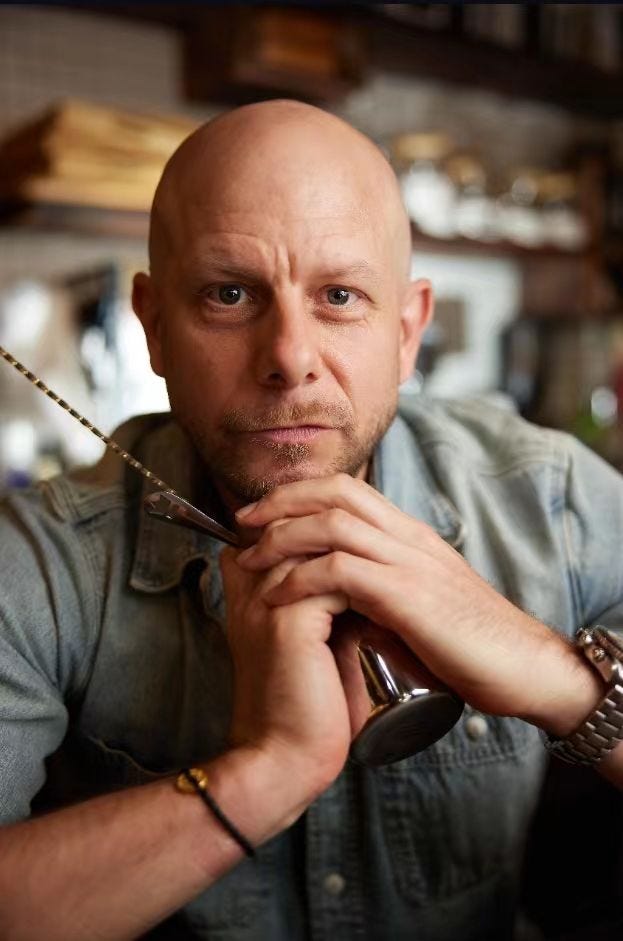
He is not from the wine world. He is a builder, a media disruptor, and one of the most respected spirits educators in the global beverage space. As the founder of DRiNK Magazine and the DRiNK Magazine Bar Awards, Theo helped elevate Asia’s bar and spirits culture to international acclaim. His work didn’t just document an industry, it shaped one. He created platforms that celebrated bartenders, uplifted local spirits, and raised the bar for storytelling, education, and professional recognition across a continent.
Today, he is in Kenya. Quietly based in Diani. No grand announcement. No big reveal. Just his presence and a growing curiosity around what it might mean, because when someone with his track record enters a new market, it’s hard not to speculate.
Is he simply taking a breather after years at the centre of an industry? Or is this the beginning of a new chapter for Africa’s cocktail and spirits landscape? Could his deep knowledge of education, media, and community-building take root here? Could he be here to listen first, then shape the future?
We don’t have the answers. Not yet. But we know this moment matters.
So yes, this is a departure from our usual editorial focus. But if you know Theo Watt or understand the ripple effect of his work, then you know exactly why we made this exception. His story, and his presence in Kenya, demand attention.
Theo Watt: Key Achievements
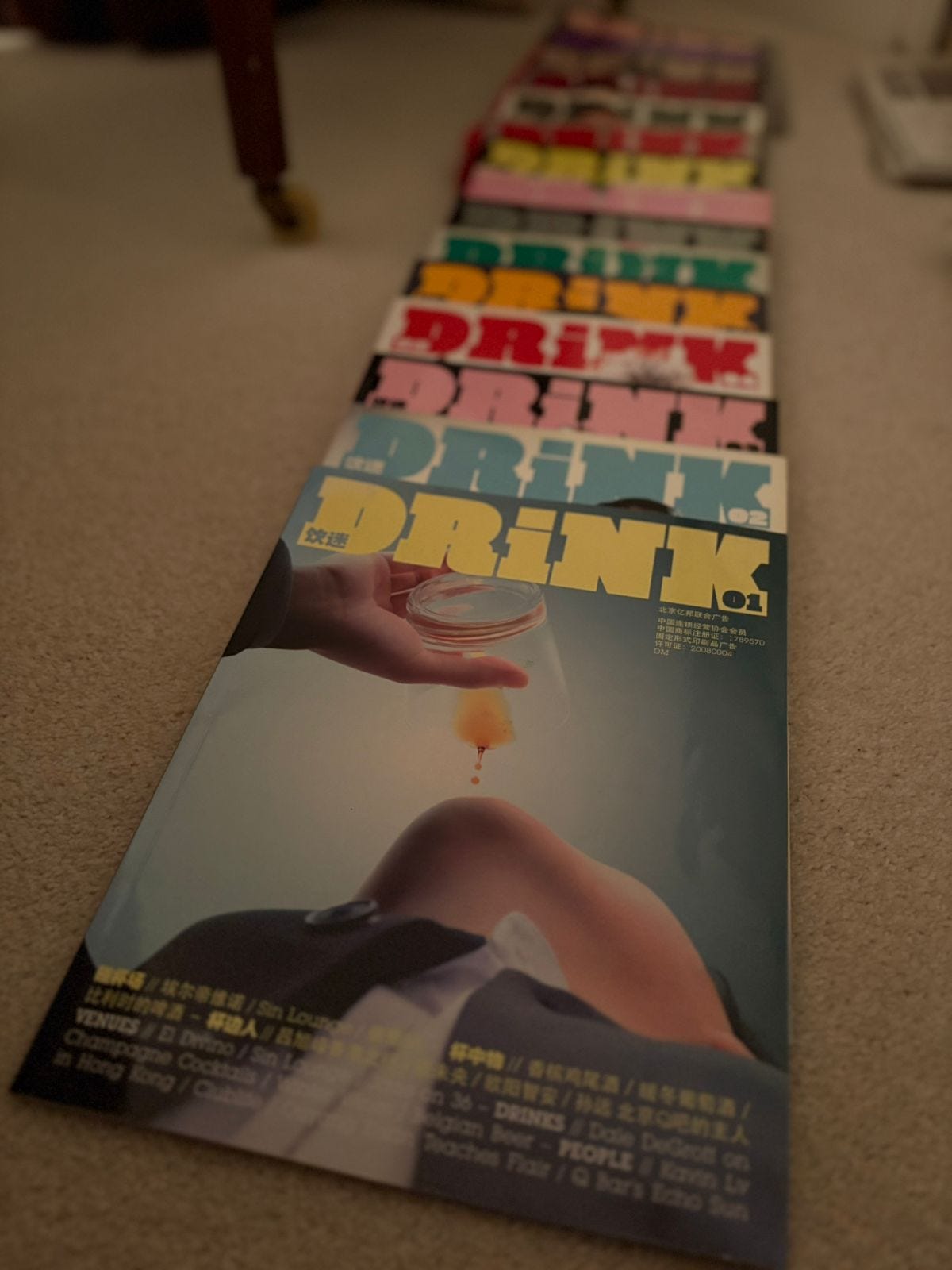
Founder of DRiNK Magazine
Asia’s leading publication for the bar and spirits industry.
Creator of DMBA (DRiNK Magazine Bar Awards)
One of Asia’s most respected bar and hospitality award platforms.Spirits Educator and Industry Advocate
Known for elevating bartender education and spirits knowledge across Asia.Builder of a Pan-Asian Hospitality Network
Connected bar communities across cities like Shanghai, Hong Kong, Bangkok, and Tokyo.Advisor to Global Spirits Brands
Helped international brands understand and grow in Asia’s dynamic markets.Pioneer of Spirits Journalism
Elevated storytelling in the cocktail and bar world with real editorial depth.
In this special Q and A, we trace his journey from the bars of Shanghai to the beaches of Diani and ask the question on everyone’s mind. What happens next?
PIW. You’ve spent years shaping the spirits scene in Asia through media, awards, and education. What first pulled you into this world and why did you stay?
THEO:-
I started my first work experience at the age of 17 working at Safari Beach Hotel for my Summer holiday for the Matibas at Alliance Hotels (as our families are very close till this day). Of course I enjoyed it so much that I went back for another 3-4 months after I graduated from Secondary School in England when I was 18 years old to be an animator at Africana Sea Lodge & Jadini Beach Hotel. These experiences pushed me over the edge and I fell in love with this initial introduction (as silver-lined as it was), and decided at that point that I would pursue a career in hospitality. I went with a great Kenyan friend of mine to a school in Switzerland called SHMS in Montreux to do our degree where we had many international students as well as a solid Kenyan contingent too. During my course I came back (after my 2nd year) to work at the hotels in a management training capacity for about 6-7 months (2001) which again fueled the fire in my belly, or just made me love Kenya more, either way I was convinced this was the path.
After graduating from my degree in hospitality I headed to NZ, and then Australia where I found a few jobs in hotels in Sydney when I was 23-24, but it was when I worked at the W Hotel, Wooloomooloo Bay (SYD) that I found the area of hotels that really fascinated me. The Bar.
The Water Bar at the W Hotel Sydney at that time was a very well respected bar, and I started on the ground floor as a cocktail waiter, and with a fair amount of training, found myself in the purchasing office where I really learned a lot about the inner workings of the bar, and not just the importance of the front of house aspect, but the back of house too, where I learned the importance of the relationships with our suppliers, brands, and partners we worked with too.
I was very lucky, as this first opportunity gave me some real perspective in how the inner workings of a successful hotel bar worked, and I was thrust into managing many operational aspects of the bars business outside of just the purchasing of stock. At that moment the bar, for me, became the single most important aspect of how a hotel can put across its character and brand, if done in the right way, (which I very much believe we were at that moment). This, along with our team of friend’s/ professionals, and the support of the outer Australian industry made wanting to stay in the bar trade a no brainer. I left Oz in 2006 fully in love with bar and that’s what I would pursue, but I didn’t know I was so spoilt at that moment, Because when I started in the industry in Australia, everything was already built up. We had a magazine called Bartender Magazine, and every time a new issue dropped, we’d literally sprint to grab a copy just to see if we, or any of our mates, had been mentioned. That visceral reaction, the pride and excitement , is what I wanted bartenders in China to feel when they received my magazine.
Australia had it all, the events, the competitions, the education, the brand support. We were spoilt, honestly. And that’s exactly what we tried to recreate in China. By building competitions, platforms, and programs across the biggest cities. Eventually, people started saying the same thing about Chinese bartenders: “They’ve got so many opportunities now, trips to wineries and distilleries, competitions every other weekend, endless events.”
And that’s part of why I felt it might be time for me to step away. China didn’t need me in the same way anymore. There were so many others who had picked up the mantle, added their own flavour, and helped grow a vibrant, self-sustaining market. And that, really, is the whole point.
PIW. From DRiNK Magazine to DMBA, you’ve created platforms that have shifted how the industry sees itself. What impact are you most proud of?
THEO:-
When I left Australia I was 25, I went back to work for Alliance in 2006-7 to help them bring some modern elements to a slightly dated product, and where I hoped to lend most of my energy was the bar, aiming to help the initial welcome experience both for hotel guests, carrying that same mantra I had learned at the W.
I was there for about 6 months, but in that same period I had been offered a job by an old friend of mine from the UK to come and open a bar in Shanghai, China, a place that was completely foreign to me, and after a chat to Raymond Matiba and with his blessing, I took the China opportunity and the road less travelled, for a new adventure and challenge, to open a bar in this completely foreign place to me. China.
I went there and like the blind-leading-the-blind started building my first fully fledged bar program (from bar designs, service, and cocktail lists) for a Japanese restaurant (with Japanese inspired cocktails), and 2 cocktail bars upstairs; one more female oriented bar called Sugar, and the other more masculine (called Cube). This was my first dive into doing such a thing in a very foreign market, but I realized at that moment that even though my experience was not very extensive, the crash course I had received in what I still classify as one of the most advanced bar markets in the world, was enough to keep my head above water, and then some.
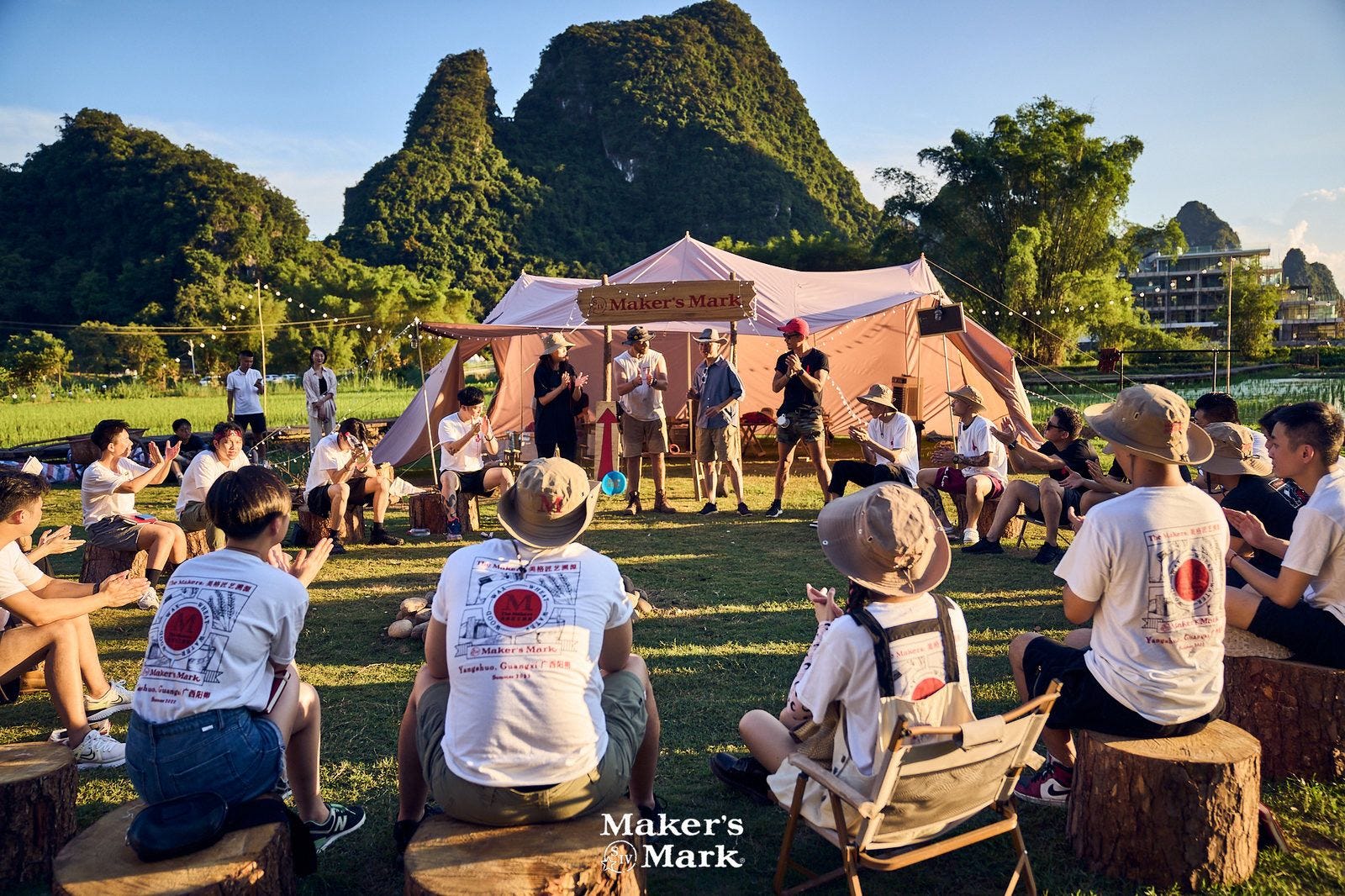
We built a program that as I look back it was advanced for China, but also it had whisperings of things that were being done in the big cocktail capitals around the world (using shrubs, low abv drinks, and pre-batching for fast consistent service). The process for me doing this job really set me up very well for the next endeavor I shot for, so after receiving an accolade from one of the local nightlife mags for ‘best cocktails in Shanghai’ I decided to take the win and leave and create my own business. In Oct 2008 Thirsty Work Productions was born which became my first owning company and my first brand; DRiNK Magazine, which soon became one of the first catalysts of bar culture in the China market in 2008 taking many of the lessons that I taught my first team and put it in a glossy pure bound magazine for 10’000’s to see and learn from.
I am proud of everything I have created as they all came from the right place, but to this day DRiNK Magazine was the tool that really pulled the beginning of the China trade together, not literally, but on our pages (well we did pull them together literally later, a lot). We had a solid tangible asset for our industry to reference and believe in, to learn from, with stories about hero’s, masters, friends, colleauges and interesting strangers that across the water believed in exactly the same thing that they believed in; hospitality, through cocktails and drinks. I believe it really helped people who were bartending, but maybe at their own crossroads realize, that this industry was worth sticking to, and maybe they could build a career out of it, and at some point have real ownership in what they did and what they strived for.
PIW. What are the biggest lessons you’ve learned about hospitality, leadership, and creative risk while building across cultures and continents?
THEO:-
In hospitality there are so many touchpoints that failure is inevitable at some stage, so kindness and trust are the most important assets a hospitality-based business can nurture through its people. With that failure or mistakes can be forgiven, and second chances, though shouldn’t be taken for granted, will become your saving grace to regain trust and succeed even better.
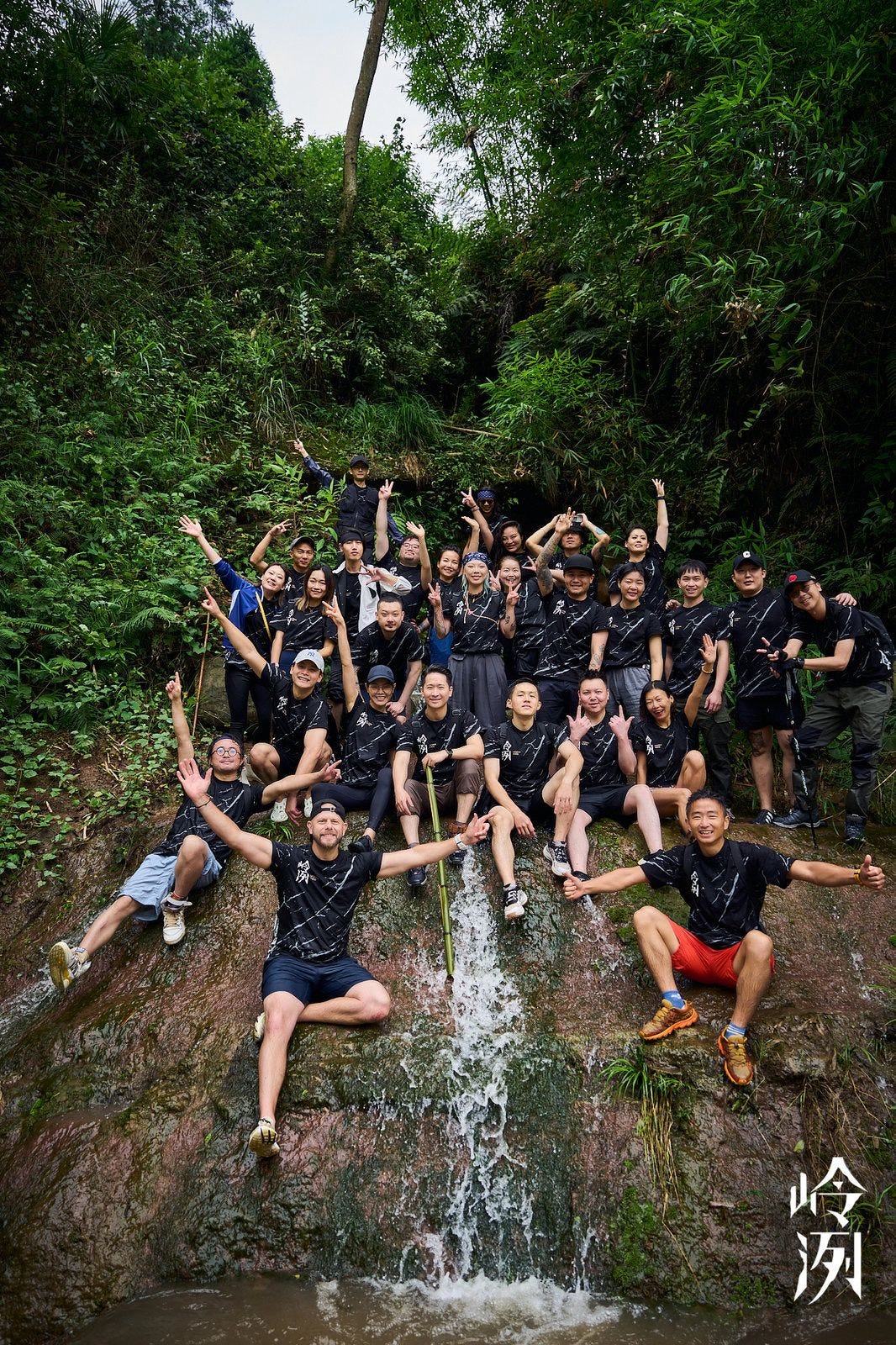
Leadership for me is getting your people (whoever they are) to believe in and follow the mission you put before them and watching them rise to that occasion whatever it may be. Giving them the chance and freedom to find their own journey within your mission, so that their belief and their dedication are not driven by monetary gain first, but by self-fulfillment. Therefore, when you fail, its heart wrenching, and that will be punishment enough, but when you succeed the feeling will be one of pure joy and fulfillment.
Creative risk whatever the situation will always need to be balanced by weighing up the work, stress, and return (whatever that may be), and maturely and confidently using your experience (or balls) to know whether to go for it, pull the plug, or not move at all.
PIW. As a spirits educator, how do you approach breaking down complex knowledge for new bartenders and emerging markets without diluting the craft?
THEO:-
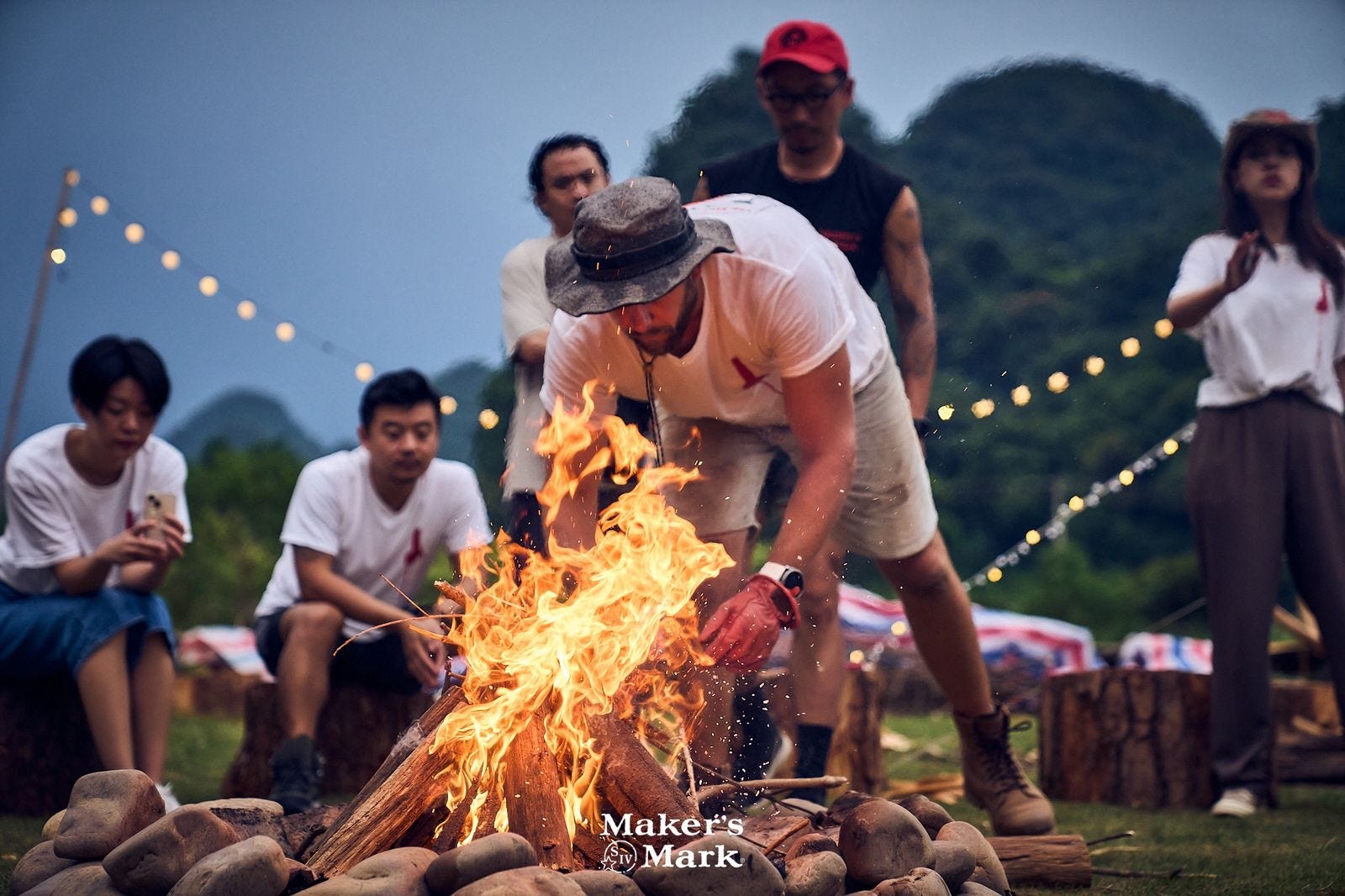
For me the most important thing to educate (if you want to call it that) or simply get through to new bartenders, is to very simply present the opportunities that bartending or working/owning a business in that realm can bring if you work hard. Gaining the real attention of someone that has not yet found the purpose in their craft is like talking to a brick wall. The first impression / first impact is the most important, and should be to get their attention. It can be done through humor, to relax the tension, and then appealing to their sense of aspiration. Only once you have their full attention will your messages of theory, technique, will land where it needs to.
PIW. You’ve given a stage to countless bartenders, brands, and creators. What do you believe makes an award platform truly meaningful in this industry?
THEO:-
The first agenda behind DMBA or what is now called DRiNK Awards wasn’t actually the rankings or the winners, it was about creating an occasion where the industry as a whole could come together and celebrate what they do, whether they were a bartender, owner, manager distributor, importer, agency, media, or simply a well-connected bar fly.
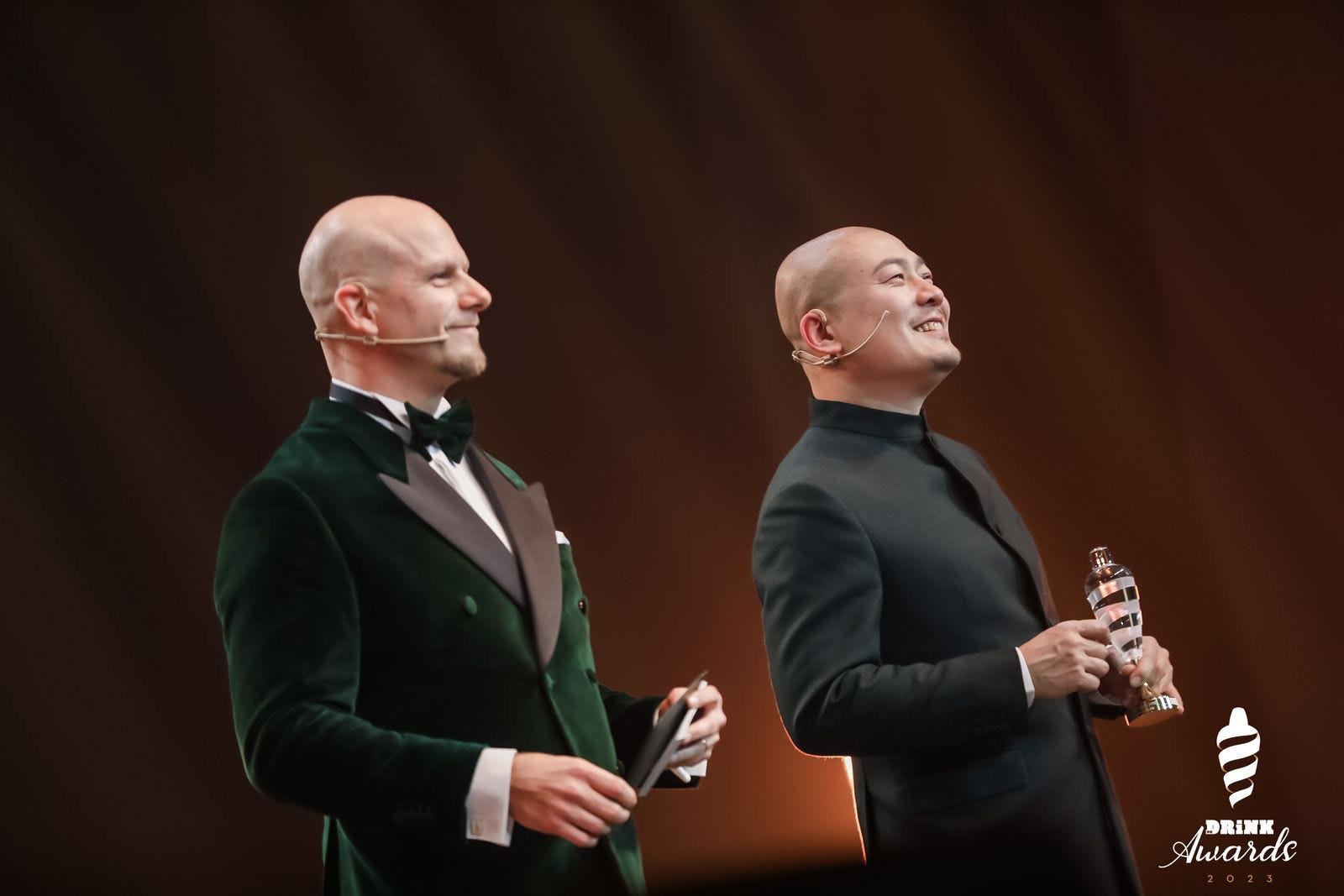
The awards for sure had to be credible, and we have spent a lot of time and effort continuously honing the mechanism to make it more and more fair, inclusive, and open, but still to this day, building the occasion for our industry peers to celebrate as key. I wanted to show the rest of the market and other industries that our (the bar) industry can create an Oscar-esque event that looks and feels like an industry that people (no matter where they are from) might be interested in following and taking part in. Entertainment (musical and comedic) key, visual stimulation through video a must, ensuring you are heralding through that video many of the characters your celebrating, and above all timing.
PIW. You’re currently in Kenya. Have you had the chance to explore the local spirits scene, and if so, do you have a favourite Kenyan-made spirit so far?
THEO:-
I do actually have a favorite made Kenyan spirit currently which is Procera Gin. I am lucky enough to have been to the distillery, met the team, and tried all their expressions. I truly believe it is one of the modern gifts of Kenya, with a great story behind it, and not to mention great liquid, in a great bottle. I am looking forward to meeting the team behind KO Spirits, as they are doing great things also in the market, as well as Rojo, the agave/sisal spirit being produced up in Kilifi. There is so much room to grow and so many un-explored native fruits/plants/ingredients that could be used to make the next great Kenyan export, along with the above mentioned pioneers. My first taste though was Kenya Cane and drinking many Dawa’s when I was younger, which to this day with a good bartender can stimulate the nostalgic nerve and be great.
PIW. Have you visited any African distilleries or bars that surprised or impressed you? What did they get right that the world should pay attention to?
THEO:-
As I just mentioned I went to Procera and I endeavour to see more. What they are doing is perfect, and the landscape that each company I see playing in is slightly different and will all add very positively to the greater ecosystem of letting the world know about Kenyan home grown spirits.
In terms of bars, Nairobi and the Coast are starting to see a lot of potential, creating great concepts and honing the wonderful Kenyan hospitality, along with making great tasting and creative drinks.
I am lucky enough that in Diani where I live we have 2 such venues (Funky Monkey and Salty Squid) both catering to a growing audience of travellers, residents and Kenyans that are appreciating great drinks and food more and more. Each bar will add their own spin on the idea of enjoying great drinks and hospitality in Kenya, they just need to ensure that the package they create is cohesive, experience-led, and truly reflective of what makes their space unique, because that’s what turns a good bar into a memorable one, and that’s what will move the entire scene forward
PIW. What potential do you see in Africa’s spirits and cocktail culture? Are there signs of a movement, or is the industry still waiting for its moment?
THEO:-
Wow, you’re not making it easy to keep my answers short here. There are big signs of movement. But that’s not hard when all you need are a few passionate people who’s passion, vision, and relationships can turn those ideas into something bigger than them. The important thing is to find the thing that can bring commercial success at the same time whilst you build those institutions to a break-even level, and also use these platforms to not just celebrate the industry but also bring consumers to the table and commercial success to enable money flowing to keep the agenda going.
Examples in Kenya are people like Brian Owango who has done many things to educate the industry there as well as started the Nairobi Bar Week, Swizzle Magazine and has many other industry developing ideas up his sleeve, as well as being the World’s 50 Best Bars Africa Academy Chair for the region. He will be one of the key Architects of Kenya and this region. Venue owners Hal McRitchie Pratt and Oliver Prevett who run Funky Monkey and Salty Squid in Diani are also shaking up the coastal scene by bringing another level and case-study to quality beverage and food in Kenya, with their Coastal Cocktail Competition once a year helping to shed light on the Coastal Bartender community. I was lucky enough to judge that on my 2nd day after arriving here. The team behind Hero in Nairobi have done the hard-yards and made the investment to get Hero onto Worlds 50 Best 51-100 list which for a venue off-the-beaten-track of W50B travelling judges, is a feat in itself, so they are very key to putting the Kenyan bar scene on the map too. I have already mentioned Procera and KO who are pioneering both quality and main stream Kenyan spirits and of course you cannot not mention some of the main financiers of the industry activity in Kenya like Diageo who own a large slice of the pie in Kenya and have it in their best interest to see the market growing through all of these outlets.
Outside of Kenya the founders of Ajabu Cocktail Festival in South Africa, Colin Asare Appiah and Mark Talbot are doing great things to bring the African scene into the limelight (twice a year Mar/Nov in Jo’Burg and Cape Town).
In Ghana Kojo Aidoo is one of the main figures behind the Accra Bar Show which founded in 2024 and the Accra Bar Week. He is also the MD of Front/Back one of the foremost bars in the region who (like Hero, and Funky Monkey teams in Kenya) are doing great things to bring Accra bartending to the forefront.
PIW. Looking at global trends in spirits, what innovations or cultural shifts do you believe Africa could lead if given the spotlight and support?
THEO:-
One of Africa’s gifts is that it has an incredible number of diverse cultures across the continent with a broad and deep spectrum of people, backgrounds, and history that the world does not yet fully know, or understand apart from what documentaries, TV, or global rhetoric/news has projected (I don’t want to go too deep on that one).
Anyway, going deeper and stemming from all this wide variety of cultures will be amazing drinking rituals, home grown native ingredients, and flavours that might not have been pulled into the global realm of drinks, spirits, and on into cocktails and mixed drinks. The American and European, Australasian (and more) markets have already become saturated with the flavours and types of western ingredients that have dominated the global market over the last 2 centuries, and thankfully the modern consumer are looking for a difference in how they can consume (USP’s), so that their experience can be different from the average Joe, so I think the opportunity that sits before Africa, Asia is massive (though Asia is more embedded in the last 10 years), we just need facilitators to help it along, and rainmakers and educators to bring the funding and the business acumen to ensure those businesses can survive long into the future.
PIW. People are curious, does your future include building something in Kenya? Are there projects, collaborations, or ideas already brewing?
THEO:-
I have always wanted Kenya to feature in my life and future, since I left Kenya in 2006 for 18 months to leave for China, not realizing that it would become 18 years. I feel that this journey back is my long-awaited round-trip finishing, but potentially re-starting at the same time. I left China because of many reasons, but one of the main ones was the feeling that I had done my job, and the market didn’t need my services anymore (to the extent that I had given before). Also, I have always kept an eye on Kenya and thought that maybe if the industry would have me, I’d love to take my last 25 years of experience and bring it to a country and market that I hold very close to my heart. This is the place that taught me the beginnings of what real hospitality is, stemming from kindness and the building of trust from there, and all we need to do is show the vision and case studies of how other markets, that didn’t have a market, have been built (China is my example but there are many other case studies) and do it in our own way.
So, I think here we already have the people that have dedicated their lives to it, engaging it in their own ways, making their own sacrifices, and finding their own ways to balance that with survival, and make it work. It is a long process, especially when it’s also dictated by consumer behavior, global trends, economy, geo and local political issues, and so many other factors. I see many opportunities where I can engage what I have learnt / experienced, but I need to tread carefully and respectfully as this has not been my back-yard for quite some time. If there are gap’s I can fill without stepping on toes, that enable me to employ and educate local people and help build the market then I will engage with open arms.
Take away is. Timing is everything, blind passion will never pay the bills but it is important for optimism purposes. Ensure your business always has a commercially viable end that hits a broader audience (even if your core content audience is niche), use and include your relationships, delegation, inclusion, and partnerships are paramount, cashflow is king.